Why does my fireplace smoke into the room?
Smoke rolling into your living room instead of up the flue almost always means one of five things. Here's how to diagnose a smoky fireplace in Galloway, NJ.
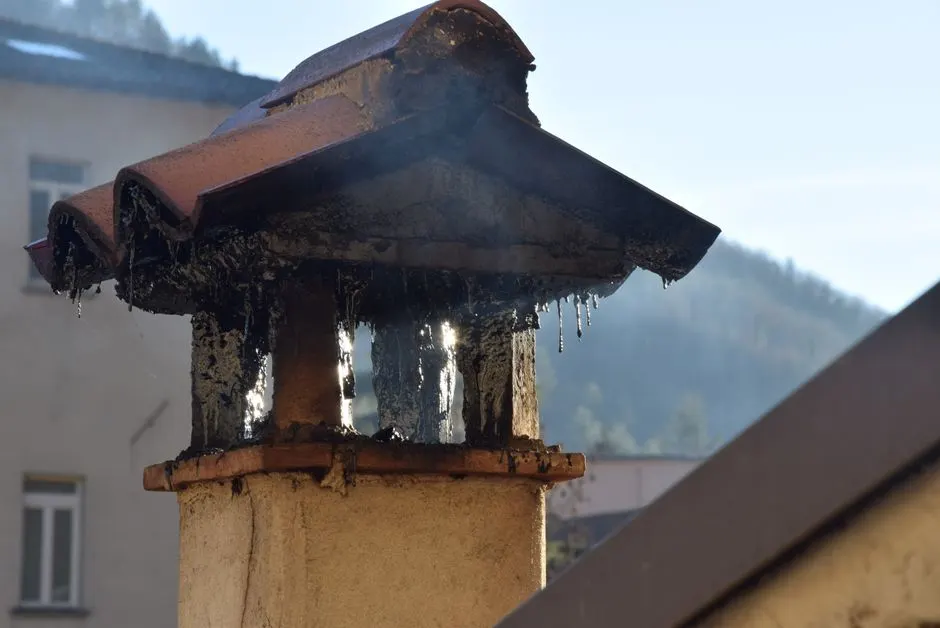
Your fireplace smokes into the room because the chimney is not pulling air up the flue the way it should - and in most Galloway homes that comes down to a cold flue, a blockage, a damper that will not open fully, negative pressure inside the house, or a flue that is simply too small for the firebox. Fix the draft and the smoke goes where it belongs. Fix nothing and you get soot on the mantel, a headache by 9 p.m., and a carbon monoxide risk you cannot see.
We run into this constantly from Smithville to Pomona, and the good news is that nearly every case traces back to one of five causes. Below we walk through each one, how to test it yourself in ten minutes, and when it is time to hand the job to a pro.
Why does my fireplace smoke into the room in Galloway, New Jersey?
Why does my fireplace smoke into the room in Galloway, New Jersey is a question that almost always points to a pressure or flow problem, not a problem with the firewood itself. A chimney is a simple machine: warm air rises, cool air falls, and the flue has to stay warmer than the room for smoke to travel up instead of out. When that balance tips, smoke spills over the top of the firebox and into your living space.
For a working definition: a fireplace draft issue is a condition where the chimney fails to maintain upward airflow, so combustion gases back up into the room instead of exiting at the top of the flue. It shows up the moment you light the first fire of the season, or gradually as a chimney ages.
We have been fixing these across Chimney repair calls in Galloway for years, and the diagnosis almost never starts with the firebox. It starts with the flue.
The five causes behind most smoky fireplaces
Five problems account for roughly nine out of ten smoky fireplace calls we run in Galloway, and each one has a different fix. Here is what to check, in order.
1. A cold flue at startup
On a 40-degree October morning, the air sitting inside your chimney is colder and heavier than the air in your living room. Light a fire and that cold plug of air has nowhere to go but out the front. This is the single most common cause of first-fire smoke, and it is the easiest to solve.
Hold a lit rolled newspaper up near the open damper for 30 to 60 seconds before you lay the fire. That warms the flue and reverses the airflow. If smoke still rolls in after that, you have a real draft problem.
2. A blocked or partially blocked flue
Soot, creosote, bird nests, and leaves all narrow the flue. A flue that should measure 8 by 8 inches might be down to 5 inches of usable opening by spring. Smoke cannot move through a passage that small, so it backs up.
Creosote is the dangerous one. The Chimney Safety Institute of America recommends cleaning when creosote reaches 1/8 inch - about the thickness of a nickel. Past 1/4 inch, you are looking at a chimney fire risk, not just a smoke problem.
3. A damper that will not open all the way
Throat dampers rust, warp, and drop off their track. You think it is open because the handle moved, but the plate is only 60% clear. Smoke hits the plate and deflects forward. We see this most in chimneys that have not been serviced in five or more years.
4. Negative pressure inside the house
Modern homes are tight. Bathroom fans, kitchen hoods, dryers, and even a second fireplace upstairs can pull more air out of the house than the chimney can replace. When that happens, the chimney becomes an intake instead of an exhaust, and smoke follows the path of least resistance - into your room.
Test it: crack a window two inches near the fireplace and light a fire. If the smoke stops, you have a pressure problem, not a chimney problem.
5. A flue that is too large or too small for the firebox
An oversized flue lets cool air fall faster than the fire can warm it. An undersized flue chokes the fire. Both produce smoke. Matching flue size to firebox opening is basic chimney math, and it is one of the first things we measure on a chimney inspection service in Galloway, New Jersey.
How to stop fireplace smoke in Galloway New Jersey
How to stop fireplace smoke in Galloway New Jersey comes down to a short checklist you can run before you call anyone, and it takes about ten minutes. Work through these in order.
- Warm the flue with a rolled newspaper torch for 30-60 seconds before lighting the fire.
- Confirm the damper is fully open - get a flashlight and look up. You should see a clear rectangle, not a sliver.
- Crack a window on the same wall as the fireplace and see if the smoke reverses.
- Check the cap and crown from the ground with binoculars. A missing cap or a cracked crown lets water and debris in.
- Look at your wood. Seasoned hardwood at 15-20% moisture content burns hot and clean. Green wood at 30%+ smolders and smokes.
If all five check out and smoke still pours in, the problem is inside the chimney and it needs eyes on it. That is the point where most homeowners call us for chimney repair near me in Galloway, New Jersey.
What causes fireplace smoke in Galloway Township: local factors
What causes fireplace smoke in Galloway Township often has less to do with the chimney and more to do with the house around it. This area has a specific mix of building stock that produces specific smoke problems.
Homes near the Pine Barrens and along the Great Egg Harbor River corridor sit in a low, humid pocket. That humidity soaks into brick and mortar, and a damp chimney drafts poorly until it dries out - which can take two or three fires. We see this every fall in chimney masonry repair in Galloway, New Jersey calls where the mortar joints are soft and spalling.
Meanwhile, the newer construction off Route 9 and around Smithville is built tight - spray foam, house wrap, sealed crawlspaces. Those homes pull a hard negative pressure the moment the range hood kicks on. If your fireplace only smokes when the kitchen fan runs, that is your answer.
Older homes near the Historic Village have original 1920s-1940s brick chimneys with unlined flues. Those flues have been absorbing moisture and creosote for 80 years. They smoke because the interior surface is rough and the cross-section has been reduced by decades of buildup.
Does chimney cleaning fix fireplace smoke in Galloway?
Does chimney cleaning fix fireplace smoke in Galloway? Sometimes yes, often no - it depends on what is actually causing the smoke. Cleaning removes soot, creosote, and debris from the flue, and if a blockage was the cause, the smoke stops the same day.
But if the smoke is coming from negative pressure, a bad damper, a cracked flue liner, or an undersized flue, cleaning will not touch it. You will spend $200-$400 on a sweep and still have a smoky living room. That is why we diagnose before we clean.
A proper chimney cleaning service in Galloway, New Jersey includes a visual inspection of the firebox, damper, smoke chamber, flue, cap, and crown. If any of those show a defect, the sweep is only step one.
Common mistakes homeowners make with a smoky fireplace
Most of the smoky fireplaces we get called to in Galloway were made worse by something the homeowner tried first. These are the ones we see over and over.
- Building the fire too far back. The fire needs to sit on the grate near the front of the firebox, close to the smoke shelf. Push it to the rear wall and smoke rolls forward.
- Opening a window on the wrong side. Cracking a window on the opposite wall of the house makes negative pressure worse, not better. It has to be on the same wall as the fireplace.
- Burning wet or unseasoned wood. Green wood sends 30% of its energy up the flue as water vapor and smoke. Split, stack, and cover your wood for at least six months.
- Ignoring a cracked crown or missing cap. Water gets in, the flue liner spalls, and the draft degrades season after season. A $300 cap repair today prevents a $3,000 relining later.
- Running the kitchen hood and the fireplace at the same time. A 600 CFM range hood can pull more air than a standard flue can replace. Pick one.
If you have tried all of these and the smoke persists, the next step is a proper look at the flue and the crown. We handle chimney crown repair in Galloway, New Jersey and full relining work for exactly this reason.
When to call a professional
Call a professional when smoke appears after you have warmed the flue, opened the damper fully, and cracked a window - that combination means the problem is inside the chimney, not in how you build a fire. Also call if you smell smoke on a non-burning day, if you see creosote flakes on the firebox floor, or if the chimney has not been inspected in over a year.
At Thrive Sharp, we start every smoky fireplace call with a camera inspection of the flue. We measure the flue against the firebox opening, check the damper travel, look at the crown and cap, and test the house for negative pressure. Then we tell you what is actually wrong and what it costs to fix - no guesswork, no upsell.
Typical 2026 pricing in this area runs $150-$300 for a diagnostic and sweep, $400-$900 for a crown rebuild, and $2,500-$5,500 for a full stainless liner install on a two-story chimney. Most smoke complaints we resolve on the first visit.
Frequently Asked Questions
Why does my fireplace smoke into the room in Galloway?
Because the chimney is not pulling air upward. The most common causes in Galloway are a cold flue at startup, a creosote or debris blockage, a damper that will not fully open, and negative pressure from kitchen or bath fans in tight newer homes. A camera inspection pinpoints which one in under an hour.
How can I fix a smoky fireplace in Galloway New Jersey?
Warm the flue with a newspaper torch for 30-60 seconds, confirm the damper is fully open, and crack a window on the same wall as the fireplace. If smoke still rolls in, the flue needs professional attention - usually a cleaning, a damper repair, or a liner fix.
What causes fireplace smoke in Galloway Township?
Local building stock drives most of it. Older brick chimneys near the Historic Village have unlined, moisture-damaged flues. Newer tight construction off Route 9 creates negative pressure. Humid air near the Great Egg Harbor corridor keeps chimneys damp and slow to draft.
Does chimney cleaning fix fireplace smoke in Galloway?
Only when a blockage is the cause. Cleaning removes soot and creosote and restores flue cross-section, which resolves smoke from buildup. It will not fix negative pressure, a warped damper, a cracked liner, or an undersized flue - those need targeted repair.
How often should I have my chimney inspected in Galloway?
Once a year, ideally in late summer or early fall before the first fire. The National Fire Protection Association standard 211 calls for annual inspection. If you burn more than one cord of wood per season, inspect twice - once before fall and once in spring.
Get help with Chimney repair in Galloway
If your fireplace is smoking into the room, we can be at your door in Galloway with a camera, a draft gauge, and the parts to fix it the same day. Call Thrive Sharp at (844) 803-5147 and we will get your chimney drafting the way it should.